
Mini cows 101: a friendly guide to space and care

Pet Guide No. 1 · Getting to know miniature cattle
It's hard not to smile at a mini cow. Gen and I love them, and we love sharing this part of ranch life with you. If you've started picturing a couple at home, this first Pet Guide is for you.
There is plenty to enjoy, and a few things to get ready first. Mini cows are still cattle. They need proper feed, good fencing, cattle company, and care every day. Getting those basics right gives you and your cows a much better start.
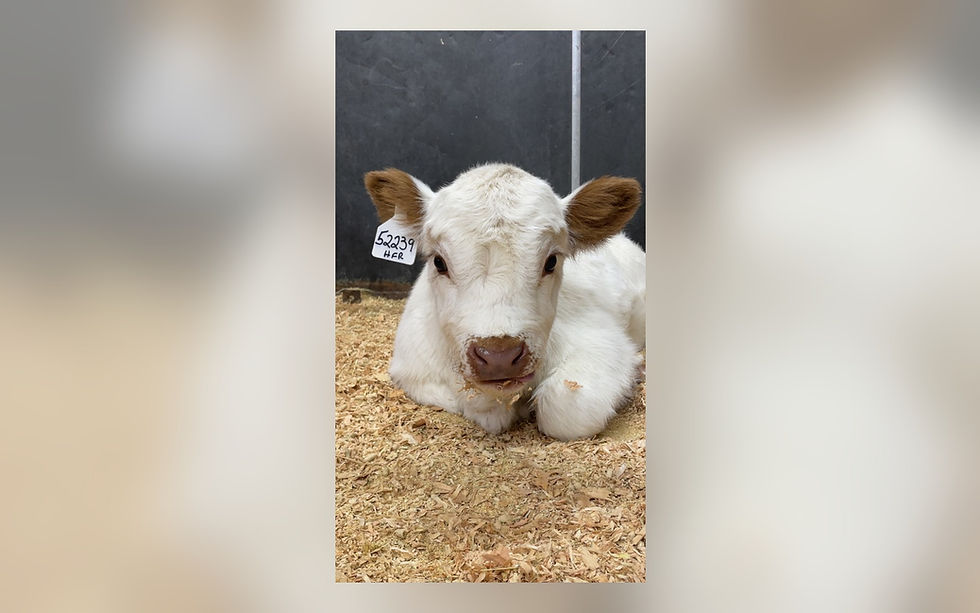
A few things to know about mini cows
“Mini” describes size, not one breed. Ask about the animal's breeding, age, and expected mature size. A small calf is still growing; a baby picture cannot tell you how large the adult will be.
Cattle are social animals. Plan for compatible cattle companionship, rather than a single cow relying on people for company.
They chew their cud. Cattle bring partly digested food back to the mouth to chew again. They have one stomach with four compartments, not four separate stomachs.
Personality matters. Some animals are more comfortable with people than others. Size and a fluffy coat do not tell you how an animal will behave.
How much property do mini cows need?
There is no dependable “one acre per mini cow” rule. The answer depends on the animals' adult size, how many you keep, what your pasture produces, and how much feed you will bring in.
An acre of irrigated pasture is very different from an acre of dry hillside. A green field in spring may provide much less feed later in the year. That seasonal change matters here in California.
Start with the usable land, not the number on the property listing. Your house, driveway, steep slopes, and areas the cows cannot safely graze do not all count as pasture.
Then ask two separate questions:
Is there enough suitable space for the animals to move, rest, eat, and live comfortably?
Can that land grow enough forage, or will I need to buy hay for part or most of the year?
If you've got an acre or two, have someone who knows livestock and your local conditions look at the property with you. That acreage is not an automatic yes. A local UC Cooperative Extension livestock adviser can help assess how much grazing it can support, and a cattle veterinarian can help with the care plan.
Before bringing cattle home, also check zoning, livestock limits, setbacks, water access, and any HOA restrictions. A smaller cow is still cattle for planning purposes.
Can I have just one?
Plan for cattle company from the start. As much as we enjoy spending time with them, people don't replace other cattle. Choose animals that can live comfortably together.
Make room in the budget as well as the pasture for the group. Get advice on safe introductions rather than simply turning unfamiliar cattle out together.
What should be ready before they arrive?
You do not need a picture-perfect ranch. You do need a practical setup:
Secure, cattle-appropriate fencing and gates, checked for escape routes and places an animal could become trapped.
Shade, weather protection, and a clean, dry place to lie down.
A dependable supply of clean drinking water.
Suitable pasture or hay, dry feed storage, and a cattle-specific mineral plan developed with your veterinarian or nutrition adviser.
A way to manage manure, mud, and worn-out areas of pasture.
Safe access for veterinary care, handling, and transport if an animal needs to leave the property.
Do not share a mineral feeder between cattle and sheep without professional advice. Their mineral needs differ, and some cattle feeds or supplements can be dangerous for sheep.
What does everyday care look like?
Check water, feed, fences, and the animals every day. Notice whether each animal is eating, moving comfortably, and behaving normally. Arrange a reliable caretaker for the days you are away.
Good pasture and suitable hay do the everyday work. Treats are the little extra, not the whole menu. Ask your vet what fits each animal's age, growth, body condition, and breeding status before adding grain or supplements.
Find a cattle vet before there's an emergency. Ask about preventive care, parasite management, vaccinations, and hoof care for your animals and location. Budget for those visits, hay, fencing repairs, and transport. Leave some breathing room for unexpected bills, too.
Are mini cows good family pets?
A well-handled cow can be lovely company. We still give cattle the space and respect they need, even when they're small. Adults should supervise children, and everyone needs room to move away safely. Skip rough play, pushing games, and teaching a calf to butt people. Wash your hands after handling animals.
Choose an animal for its temperament, health, maturity, and suitability for your home. For a non-breeding companion, ask whether a suitable steer—a castrated male—would be a better fit than a bull. Bulls need experienced management; being small does not remove that responsibility.
Ask to see the animal's records and discuss its handling history and expected adult size. There is no need to rush the decision.
Your before-you-buy checklist
Can you say yes to these?
Cattle are permitted on the property.
The land and year-round feed plan have been assessed.
Compatible cattle companionship is part of the plan.
Fencing, water, shelter, and handling arrangements are ready.
A veterinarian, backup caretaker, and ongoing budget are in place.
Not quite ready yet? That's okay. Getting the home ready is part of caring for the cows.
Let's talk about your setup
We're a family ranch here in Salinas, Monterey County, and we want you to enjoy these animals as much as we do. Tell us about your place, your experience with livestock, and what you're hoping for. We're happy to talk it through.
Ask us about mini cow ownership, or call our animal-sales line at (831) 265-5162. You can also see our current animal listings.
This guide offers general ownership information. Your veterinarian and local livestock adviser can help you make a plan for your animals and property.
Further reading
Grazing and pasture management for cattle — University of Minnesota Extension.
How a cow's digestive system works — University of Minnesota Extension.
Copper sensitivity in sheep and other animals — Merck Veterinary Manual.
Comments